Octopus was fresh - wiggled when heat was turned on. Sauce wasn't overwhelming so you can taste and enjoy the main show. The fried rice with roe was sweet and really tasty - the texture of the bursting roe is a plus. Food is cooked for you. Service was good although the server didn't speak English. Very reasonable price.
Overview
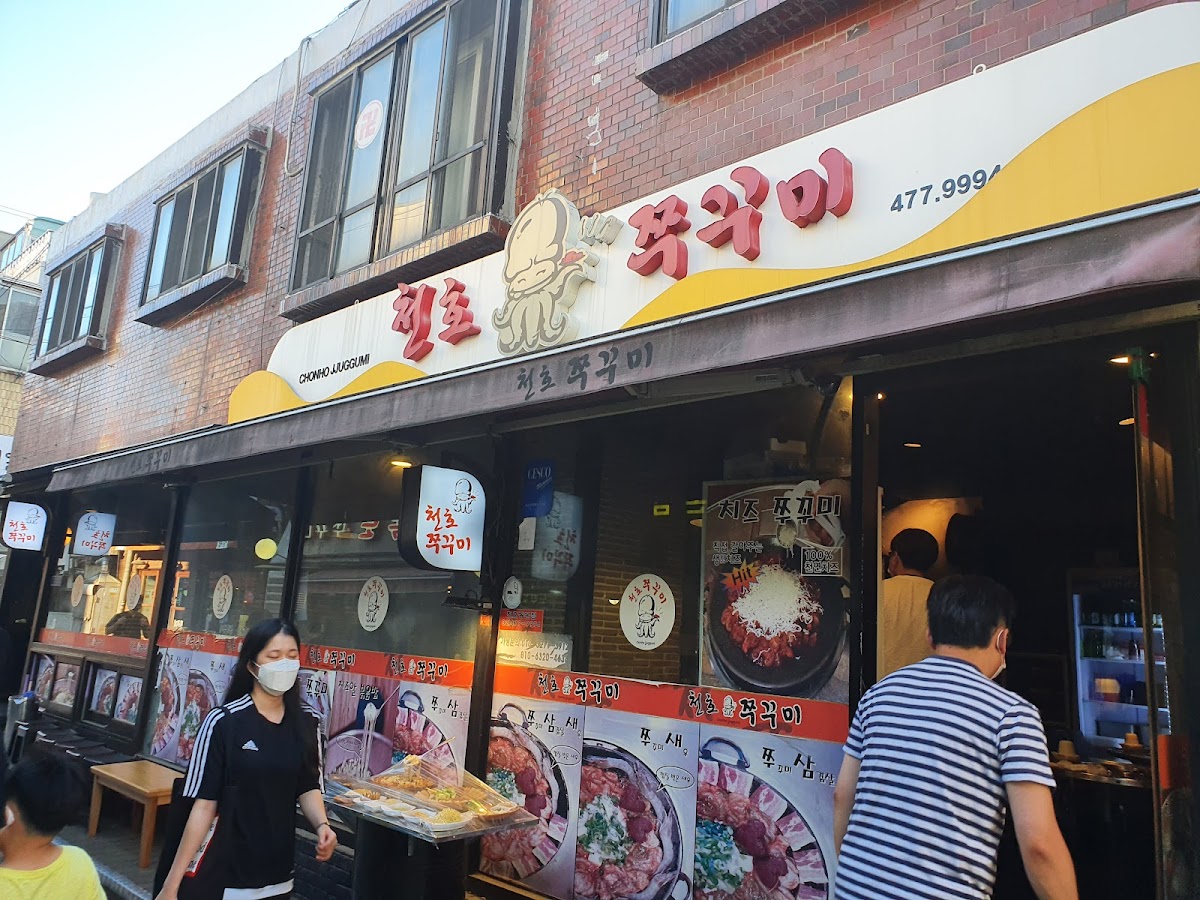
If you ever find yourself wandering through Seongnae-dong in Gangdong-gu, Seoul, South Korea, craving something unmistakably Korean and a little adventurous, Chunho Short Arm Octopus should be at the top of your list. I still remember the first time I stepped into this modest yet buzzing diner near Cheonho Station. The air was thick with the aroma of gochugaru and sizzling seafood, and every table seemed to be sharing plates of fiery nakji bokkeum-Korean stir-fried octopus-paired with cold beer or soju.
Short-arm octopus, known locally as nakji, is prized in Korea for its tender texture and naturally sweet flavor. According to data from the Korea Maritime Institute, octopus consumption in South Korea remains among the highest in the world, reflecting just how deeply rooted it is in local food culture. The restaurant builds its entire menu around this ingredient, and that focus shows in every bite. The octopus is sourced fresh, typically delivered daily from coastal fisheries, then cleaned meticulously to preserve both flavor and texture. Watching the kitchen staff work through the open counter, you can see the process: rinsing the octopus in salted water to remove impurities, tenderizing it carefully, and then tossing it into a blazing wok with garlic, onions, and house-made chili paste.
The signature spicy stir-fried short-arm octopus arrives still sizzling. It’s glossy, bright red, and studded with scallions and sesame seeds. The first bite is chewy yet soft, followed by a rush of heat that builds gradually rather than overwhelming your palate. I once brought a colleague from overseas who was hesitant about seafood beyond shrimp and salmon. After a few bites wrapped in lettuce with a dab of ssamjang, he leaned back and declared it unexpectedly addictive. That’s the magic here-the dish converts skeptics.
Beyond the classic stir-fry, the menu also features octopus hot pot, grilled nakji, and even a milder soy-based version for those who prefer less spice. Each dish highlights a slightly different technique. The hot pot, for example, simmers slowly at the table, allowing the broth to absorb the octopus essence along with vegetables and tofu. Nutrition experts from institutions like Seoul National University have noted that octopus is rich in taurine and low in fat, which partly explains its popularity as a stamina-boosting food in Korea. Locals often joke that nakji gives you energy after a long workweek, and whether that’s scientifically measurable or not, you certainly feel revived after a hearty meal here.
The atmosphere is casual and lively. Tables are tightly arranged, and the walls display handwritten menu boards and snapshots of regular customers. Reviews online frequently mention the friendly staff who guide first-timers through the ordering process. On my second visit, I asked about the spice level, and the owner personally recommended adjusting it to medium, explaining that the sauce is made in-house every morning to maintain consistency and freshness. That transparency builds trust, especially for travelers who might worry about overly intense flavors.
Location-wise, being in Seongnae-dong makes it convenient for both residents of Gangdong-gu and visitors exploring eastern Seoul. It’s not in a flashy tourist district, which actually works in its favor. The crowd is mostly local-families, office workers, and small groups of friends catching up over shared plates. That steady stream of repeat customers says more than any advertisement could.
Of course, like any popular neighborhood spot, peak hours can mean a short wait. I’ve stood outside for about fifteen minutes on a Friday evening, but the turnover is quick, and the staff manage the line efficiently. Prices are reasonable for Seoul standards, especially considering the quality and portion sizes.
Dining here feels less like ticking off a food bucket list and more like stepping into a living piece of Korean culinary tradition. The flavors are bold, the techniques are rooted in expertise, and the experience is grounded in authenticity. In a city overflowing with dining options, this humble octopus specialist stands out by doing one thing exceptionally well-and doing it with confidence and care.
Good to know
Service options
✓ Takeaway ✓ Dine-inPopular for
✓ Lunch ✓ DinnerAccessibility
✓ Wheelchair-accessible car park ✓ Wheelchair-accessible entrance ✓ Wheelchair-accessible seatingOfferings
✓ Alcohol ✓ Beer ✓ Late-night foodDining options
✓ Lunch ✓ Dinner ✓ Table serviceAmenities
✓ ToiletAtmosphere
✓ Casual ✓ TrendyCrowd
✓ Groups ✓ University studentsPlanning
✓ Accepts reservationsPayments
✓ Credit cards ✓ Debit cards ✓ NFC mobile paymentsParking
✓ Paid parking lot ✓ ParkingPhotos
1 / 4
Location
Reviews
- No ratings yet 544 reviews
Seafood lovers like it, especially the octopus and pork belly are fantastic, and the cheese and fried rice are the best.
Service and quality is good. environment is fun and crowded but organized. Except food was over priced.
So nice spicy octpus. And first time tasted Maccoli and Soju
메뉴: 쭈삼 2인분 (1.5단계), 치즈 계란찜 • 천호 쭈꾸미 골목에서 제일 좋아하는 쭈꾸미 집이에요. 쭈삼이 제일 맛있고, 사리로 당면이랑 스파게티를 넣어먹을 수 있어서 너무 맛있어요. • 약간 매콤한편이라 1.5단계로 먹으면 적당하고 좋아요. • 치즈 계란찜이 맛있어요! 모짜렐라 치즈가 들어가있어서 쭉 늘어나는데, 매콤한 쭈꾸미를 싹 잡아줘요. 꼭 먹어보길 추천합니다.
쭈꾸미 골목 안에 무수히 많은 집 중에서 깔끔하고 종류도 다양한 곳입니다. 일단 실내도 깨끗하고, 종업원들이 친절해서 여자분들이 많이 찾는곳입니다. 맛도 맛있게 매운곳이라서 여러 집 중에 고르기 어렵다면 추천합니다.